
In many Georgia DUI cases, a blood test is presented as a key piece of evidence by the prosecution. While blood tests are often thought to be more accurate than breath tests for determining blood alcohol content (BAC), this is not always true. Savannah DUI attorney Simon Peed emphasizes that several factors can lead to inaccurate or unreliable blood test results.
Why Blood Tests Are Used in DUI Cases
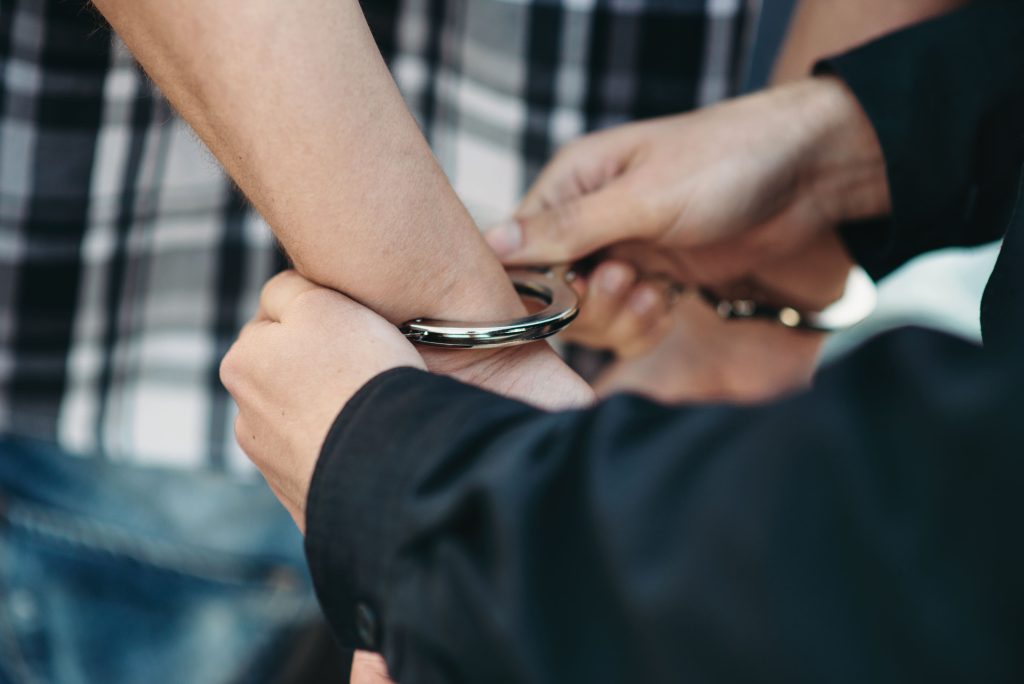
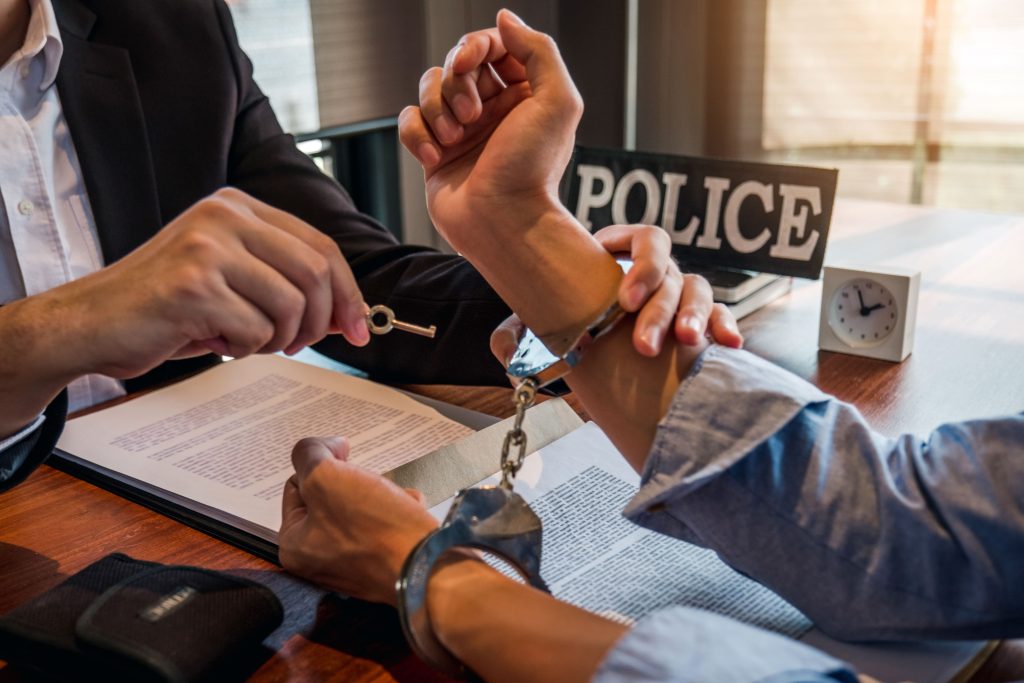
As doubts about the reliability of breath tests have grown, more individuals refuse to take them, leading law enforcement to rely increasingly on blood tests. Police often obtain a Georgia blood warrant to compel a blood sample, and compliance with such warrants is mandatory. Refusing to comply can result in additional penalties, and law enforcement is permitted to use force to obtain the sample if necessary.
Potential Issues with Blood Tests
Even if you’ve provided a blood sample, either willingly or under a warrant, there are several ways to challenge the evidence:
- Improper Collection – If the blood sample was not collected following strict legal and medical protocols, the results may be invalid.
- Storage Errors – Blood samples must be stored correctly to prevent fermentation or contamination, which can alter BAC levels.
- Chain of Custody – Any break in the documentation of who handled the sample could make the results inadmissible.
- Testing Errors – Errors in laboratory analysis, including outdated equipment or unqualified personnel, can produce inaccurate results.
Building a Defense
Simon Peed can investigate these factors to identify weaknesses in the evidence presented against you. By challenging the validity of the blood test or how it was handled, Simon can work to get the results dismissed or reduce the impact of this evidence on your case.